
In Korea, the seasons aren’t just about the weather. They shape the plate. Winter calls for rich stews. Spring asks for greens so fresh they still taste of the field. Summer cools things down, or turns the heat up, depending on the day.
Here’s Korea through the seasons, served on a plate.
Spring – Crisp and Clean
Spring food feels like it’s been rinsed in cold water. Lighter, cleaner, easy on the stomach after a long winter.
Wild greens show up first. Ssukgat (crown daisy) with its faint herbal edge. Naengi (shepherd’s purse), peppery and fresh. Minari (water dropwort) which tastes like a cross between celery and parsley. Usually blanched, dressed with sesame oil, soy, and a pinch of chilli flakes.
Soups get a makeover. Doenjang jjigae (soybean paste stew) goes from heavy to bright with zucchini, tofu, and spring vegetables. At Nami Korean Grill House, it arrives in a stone pot, bubbling like it can’t wait to be eaten.
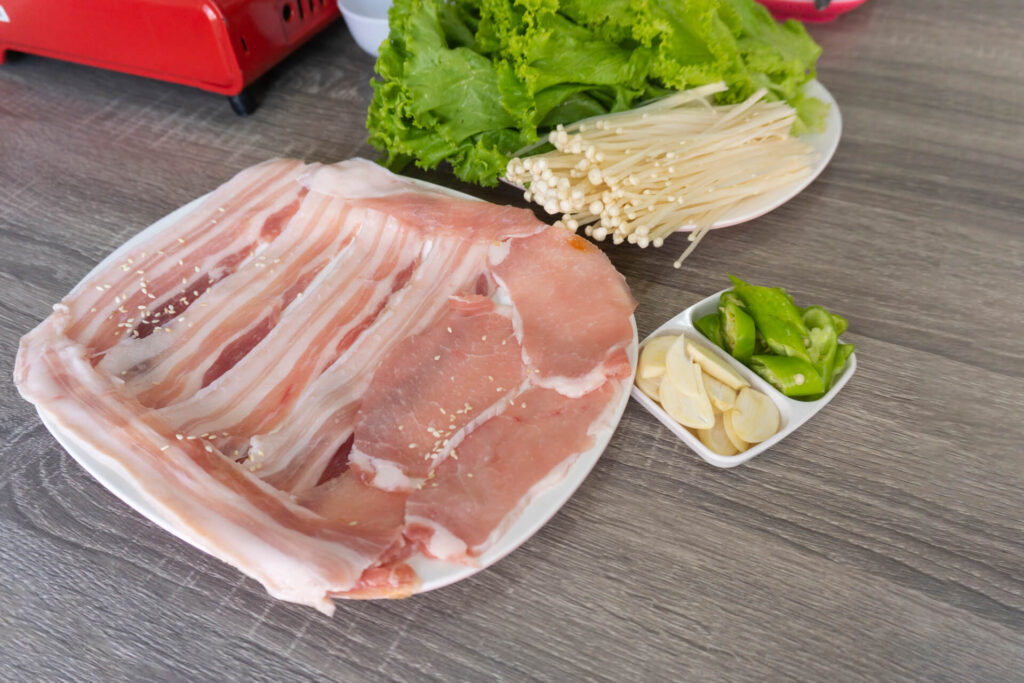
Grilled pork belly isn’t skipped. It just gets wrapped in lettuce or perilla leaves. Add a smear of ssamjang and a slice of raw garlic, and you’ve got a bite that feels like spring on the tongue.
Strawberries peak now. Koreans often eat them plain. Sometimes dipped in sugar. Nothing more is needed.
Summer – Cold Bowls, Hot Days
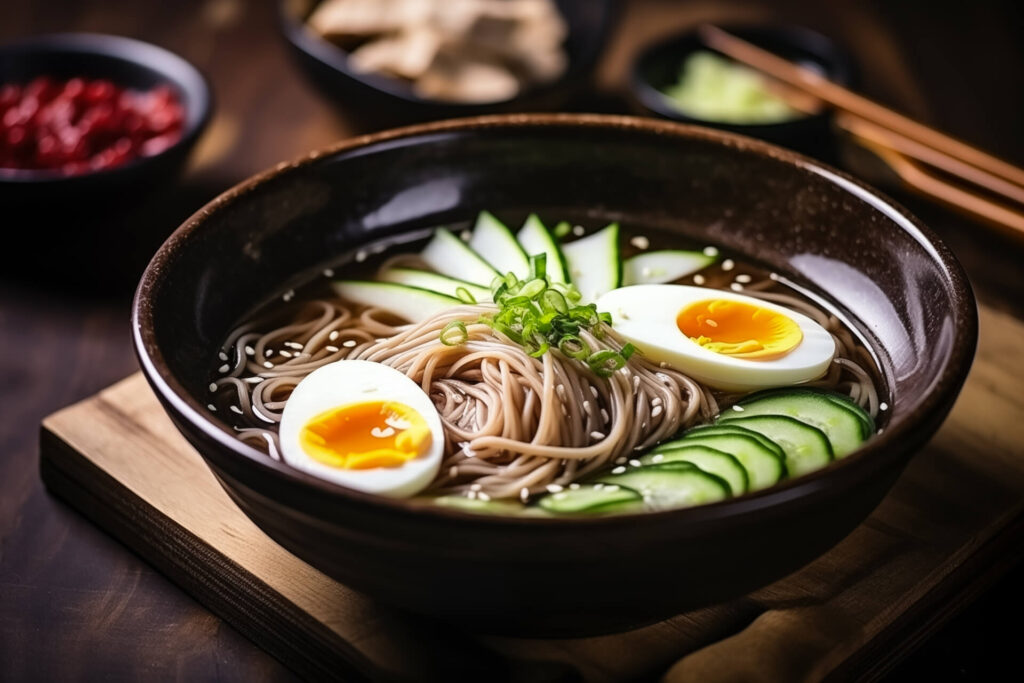
Summer in Korea can be muggy. The food has two jobs: to cool you down or wake up your appetite.
Naengmyeon is a summer hero. Chewy buckwheat noodles in ice-cold broth or mixed with spicy sauce. Garnished with cucumber, pear, and a boiled egg. At upscale restaurants, it might come with grilled short rib slices—cold and hot, sharing the same plate.
Then there’s samgyetang, the ginseng chicken soup. A whole young chicken stuffed with rice, garlic, ginseng, and jujube, simmered until the meat slips from the bone. Koreans believe in “yi yeol chi yeol”—fighting heat with heat.
Side dishes lean crisp. Oi muchim (spicy cucumber salad) is chilled and tangy, perfect with grilled seafood.
And about seafood, ganjang gejang (soy-marinated raw crab) is a summer addiction. At Nami Korean Grill House, the crab is sweet, briny, and impossibly rich.
Autumn – Earth and Smoke
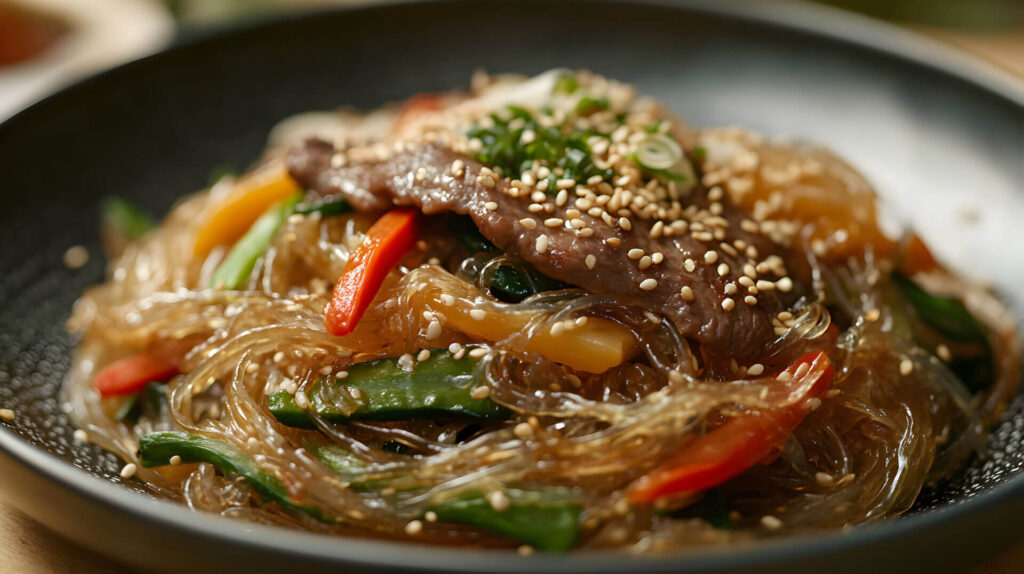
By autumn, the air changes. Kitchens fill with deeper smells. You’ll catch a whiff of mushrooms, grains, and slow-cooked meats.
Japchae (glass noodles stir-fried with vegetables) often gets a boost from shiitake and enoki. Glossy, savoury-sweet, with just enough chew.
Barbecue leans into richer marinades. Galbi (beef short ribs) are soaked in soy, garlic, and pear juice. Nami Korean Grill House’s wagyu galbi is tender to the core, with a flavour that sits heavy in the best way.
Hot pots creep back into the rotation. Budae jjigae (Army Stew) is loaded with kimchi, tofu, sausages, instant noodles, and a spicy broth that warms from the first spoonful.
Kimchi season also lands here. Napa cabbage at its sweetest, ready for fermenting.
Winter – Bowls That Steam Up the Room
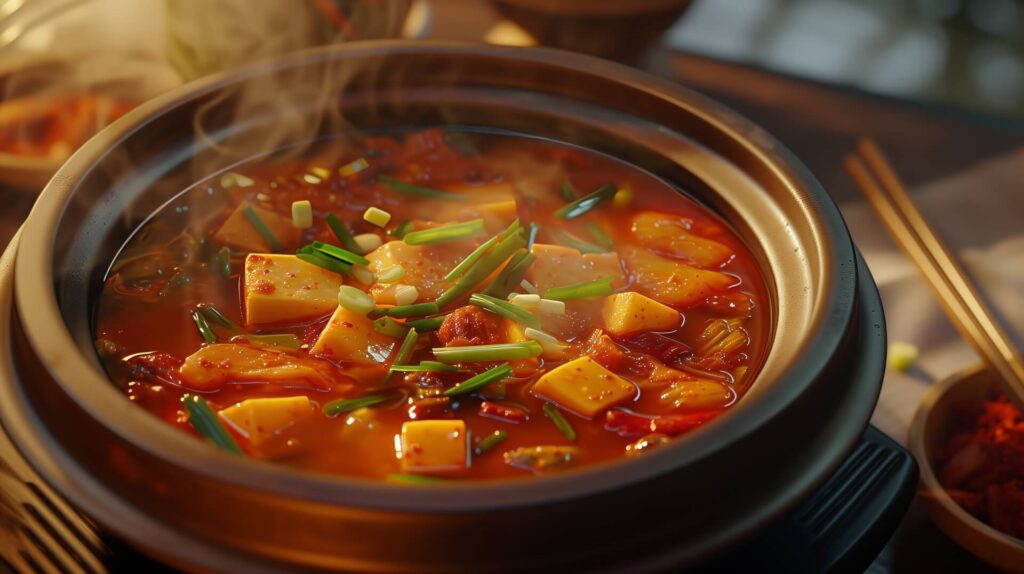
Winter food in Korea is bold, hot, and unhurried.
Kimchi jjigae is everywhere. Pork belly, tofu, and aged kimchi in a spicy, tangy broth. It’s the kind of stew that makes you eat faster just so you can breathe in the steam between bites. At Nami Korean Grill House, it’s hearty and balanced, the heat warming without overpowering.
Sundubu jjigae is another favourite, a soft tofu stew with seafood or clams. The broth hits the table still boiling.
Grilled meats in winter often carry spicier marinades. Side dishes grow heavier, seen in pajeon (scallion pancake) with seafood, fried until the edges turn crisp.
Some days call for braised fish. Mackerel or hairtail in a chilli-rich sauce, served with hot rice.
Why This Rhythm Matters
It’s about more than taste. Each season’s food works with the body. Spring greens are clear and refreshing. Summer’s chilled noodles cool. Autumn grains and mushrooms fuel. Winter stews warm from the inside out.
Seasonal eating also means ingredients at their best—flavourful, nutrient-rich, and tied to moments in the year.
For Koreans, these aren’t just recipes. They’re part of festivals, family gatherings, and traditions passed down quietly.
A Year on a Plate
Each season has a mood. Spring is light and green. Summer is crisp and chilled, or fiery when needed. Autumn is deep, smoky, and rich. Winter is bold and steaming.
Korean cuisine catches all of it. And at Nami Korean Grill House, you can taste those shifts one plate at a time. From pork belly wrapped in fresh leaves to icy noodles on a sweltering day, from japchae with autumn mushrooms to a stew that fogs your glasses in December—it’s all here.
Food that follows time. Time that shapes food. Make a reservation to try all the seasons in a sitting.

